The landscape of modern wellness is shifting dramatically from the confines of hospital walls to the comfort of our own homes. Secure remote patient monitoring platforms are at the very center of this massive healthcare revolution today. These systems allow doctors to keep a close eye on their patients’ health metrics without requiring a physical visit. By using a combination of wearable sensors and smart software, medical teams can track heart rates, oxygen levels, and blood pressure in real-time.
This technology is not just about convenience; it is a critical tool for managing chronic illnesses and preventing emergency situations. As our population grows and the demand for medical services increases, these digital tools provide a much-needed bridge for efficiency. Security is the most important factor here, ensuring that sensitive personal data remains private while traveling across the digital space. We are witnessing a new era where technology and empathy meet to provide a higher standard of living for everyone.
Breaking Down the Digital Health Barrier

For many years, the idea of being treated at home felt like something out of a science fiction movie.
Now, with the rise of high-speed internet and advanced mobile devices, it has become a daily reality for millions.
Remote monitoring platforms act as a digital lifeline between the patient and the clinical care team.
The software collects data from various devices and organizes it into a format that is easy for doctors to read.
Instead of waiting for a monthly checkup, a doctor can see if a patient’s health is trending downward immediately.
This allows for tiny adjustments in medication or lifestyle before a small problem becomes a major crisis.
Patients also feel more empowered when they can see their own data in real-time through a mobile app.
It creates a sense of accountability and encourages people to stick to their wellness goals every day.
The transition to digital monitoring is making healthcare more collaborative and less intimidating for the average person.
Core Functions of Monitoring Systems
A. Advanced Data Encryption for Total Patient Confidentiality.
B. Automated Alerts for Abnormal Vital Sign Thresholds.
C. Biometric Identity Verification for Secure Platform Access.
D. Cloud-Based Storage for Easy Medical Record Integration.
E. Real-Time Syncing with Wearable Health Tracking Devices.
F. Secure Messaging Portals for Direct Doctor-Patient Chat.
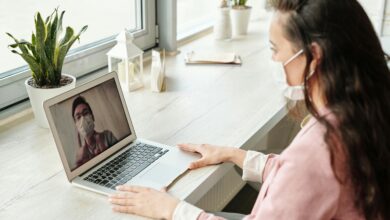
G. Video Consultation Integration for Immediate Virtual Visits.
The Importance of Data Security
When we talk about health data, we are talking about some of the most private information a human being possesses.
If a platform is not secure, it risks exposing sensitive medical histories to bad actors on the internet.
This is why the best wellness platforms prioritize end-to-end encryption for every piece of data transmitted.
A secure platform uses multiple layers of protection to ensure that only authorized medical staff can view the results.
This includes multi-factor authentication, which requires a second code or a fingerprint to log into the system.
By building a “digital fortress” around the data, these platforms gain the trust of both patients and physicians.
Compliance with international privacy laws is also a non-negotiable part of a high-quality monitoring tool.
Developers must ensure that their software meets strict standards regarding how data is handled and stored.
A focus on security ensures that the technology can continue to grow without risking the safety of the users.
Enhancing Chronic Disease Management
Managing chronic conditions like diabetes or heart disease requires constant attention and frequent data collection.
In the past, patients had to manually write down their readings in a notebook, which was often inaccurate.
Remote monitoring platforms automate this entire process, removing the risk of human error or forgetfulness.
For a diabetic patient, a continuous glucose monitor can send sugar levels directly to a physician’s dashboard.
If the levels spike or drop dangerously, the system can automatically trigger an alert to the patient’s phone.
This immediate feedback loop is a literal lifesaver for people living with complex, long-term health challenges.
It also reduces the “white coat syndrome” where patients get high blood pressure readings just because they are nervous at the doctor’s office.
Data collected in a natural home environment is much more representative of a person’s true health state.
This leads to more accurate diagnoses and much more effective long-term treatment plans for the patient.
Essential Hardware for Remote Tracking
A. Blood Glucose Monitors with Automatic Wireless Upload.
B. Digital Scales that Track Body Composition Trends.
C. High-Accuracy Pulse Oximeters for Oxygen Monitoring.
D. Smart Blood Pressure Cuffs with Bluetooth Connectivity.
E. Wearable ECG Patches for Continuous Heart Rhythm Tracking.
F. Wrist-Based Activity Trackers for Mobility Assessment.
The Role of Artificial Intelligence
Artificial Intelligence is the “brain” behind the most advanced remote monitoring platforms available today.
The amount of data generated by a single patient in a day is too much for a human to analyze manually.
AI algorithms can sift through thousands of data points to find significant patterns or anomalies.
The software can learn a patient’s “baseline” health and recognize when something is slightly off.
For example, it might notice a slow increase in resting heart rate over a week, which could signal an infection.
This predictive capability moves us from reactive medicine to truly preventive healthcare delivery.
AI also helps in triaging patients, ensuring that the most urgent cases are seen by a doctor first.
This maximizes the efficiency of the medical staff and ensures that resources go where they are needed most.
As machine learning improves, these systems will become even better at catching health issues before symptoms appear.
Improving the Quality of Life for Seniors
Aging in place is a priority for most seniors, but it requires a high level of safety and monitoring.
Remote wellness platforms allow elderly individuals to stay in their own homes longer while still being “connected” to care.
Fall detection sensors can automatically alert emergency services if a senior takes a tumble at home.
The platforms also remind patients when it is time to take their medication, reducing the risk of missed doses.
Family members can also be granted access to certain parts of the data to have peace of mind about their loved ones.
It creates a support network that is both digital and physical, providing safety without taking away independence.
The interfaces for these platforms are being designed with simplicity in mind to accommodate non-tech-savvy users.
Large buttons, clear voice instructions, and easy-to-read text make the technology accessible to everyone.
This inclusivity is key to making remote monitoring a success for the entire global population.
Strategic Benefits for Healthcare Providers
A. Better Allocation of In-Person Clinical Resources.
B. Detailed Longitudinal Data for Clinical Research.
C. Enhanced Patient Retention and Satisfaction Rates.
D. Improved Compliance with Prescribed Treatment Plans.
F. Lower Rates of Hospital Readmission for High-Risk Patients.
G. Streamlined Billing and Documentation for Virtual Care.
Overcoming Technical and Human Challenges
While the benefits are clear, the road to total digital integration has a few bumps along the way.
One major challenge is “alert fatigue,” where doctors receive too many notifications from their patients’ devices.
Developers are working to refine the algorithms so that only the most critical data triggers a high-level alert.
There is also the issue of the “digital divide,” where some patients may not have access to reliable internet.
Innovators are looking for ways to use cellular networks or offline storage to ensure no patient is left behind.
Ensuring that technology is affordable and accessible is a major goal for the next decade of development.
The human element of trust is also something that must be nurtured over time between the doctor and patient.
Clinicians need to be trained on how to provide “webside manner” that is as comforting as their bedside manner.
Technology should never replace the human connection; it should only serve to strengthen the bonds of care.
The Future of Personalized Wellness
We are heading toward a future where our health data is integrated into every part of our lives.
Imagine a platform that connects your sleep data, your diet, and your medical vitals into one single profile.
This holistic view of wellness allows for personalized advice that is specific to your unique body.
Bio-sensors are becoming even more advanced, with the ability to detect chemicals in our sweat or tears.
This will allow for even more non-invasive monitoring of things like stress levels or vitamin deficiencies.
The more data we have, the more we can optimize our bodies for longevity and high performance.
Virtual reality might also play a role in the future of remote monitoring and patient therapy.
Patients could perform physical therapy in a virtual world while their progress is tracked by remote sensors.
The possibilities for innovation are endless when we combine creativity with high-end medical technology.
Implementation Steps for Modern Clinics
A. Assessing the Digital Literacy of the Patient Population.
B. Choosing a Scalable and Interoperable Software Platform.
C. Conducting Pilot Programs to Test Workflow Efficiency.
D. Providing Comprehensive Training for the Nursing Staff.
E. Setting Clear Protocols for Data Privacy and Storage.
F. Verifying Device Accuracy and Clinical Reliability.
Navigating the Regulatory Landscape
For a platform to be successful, it must navigate a complex web of government regulations and laws.
These rules are in place to ensure that medical devices and software are both safe and effective for use.
Companies spend years testing their products to meet the high standards required for medical certification.
This rigorous process is what separates a “wellness gadget” from a professional medical-grade monitoring tool.
Patients should always look for platforms that are officially recognized by health authorities in their region.
This ensures that the data being collected is accurate enough for a doctor to make clinical decisions.
As technology moves faster than the law, regulators are constantly updating their guidelines for digital health.
Staying compliant requires a dedicated legal team and a commitment to the highest ethical standards.
Trust is the currency of the healthcare industry, and compliance is how you earn that currency.
The Economic Impact of Remote Monitoring
From a financial perspective, remote monitoring is a game-changer for the global economy.
Preventing a single hospital stay can save thousands of dollars for the patient and the insurance provider.
By keeping people healthy and out of the hospital, we can reduce the overall cost of healthcare for everyone.
It also allows doctors to see more patients in less time, increasing the efficiency of the entire medical system.
This is especially important in areas where there is a shortage of specialized medical professionals.
Telehealth and remote monitoring allow a single expert to manage a large group of patients across a wide area.
The growth of this industry is also creating new jobs in software development, data analysis, and digital nursing.
It is a growing sector of the economy that promises both financial returns and social benefits.
Investing in digital health infrastructure is one of the smartest moves a society can make for its future.
Enhancing Patient Engagement and Education
A. Gamified Wellness Challenges to Encourage Activity.
B. Interactive Modules on Disease Management and Diet.
C. On-Demand Library of Physical Therapy Exercises.
D. Personalized Health Reports with Easy Visual Charts.
E. Push Notifications for Medication and Habit Reminders.
F. Surveys for Collecting Patient-Reported Outcome Measures.
Building a Truly Global Health Network
The ultimate goal of secure remote monitoring is to create a global network of connected care.
In this world, your medical data can travel with you across borders, ensuring you get the best care anywhere.
Language barriers are being removed by translation software that allows doctors to help patients worldwide.
This global connectivity will help us track and respond to public health threats much faster than before.
By seeing trends in data across a population, we can identify outbreaks or environmental health issues early.
It turns every connected patient into a “sensor” that contributes to the collective health of humanity.
The technology is ready, the data is available, and the need has never been greater than it is now.
As we continue to refine these platforms, we move closer to a world where healthcare is truly universal.
Innovation in the digital space is the key to a healthier, safer, and more equitable world for all.
Final Considerations for Platform Users
When choosing a platform, patients should look for one that integrates easily with their existing devices.
The best systems are the ones that work in the background without requiring a lot of manual input.
Users should also check the company’s privacy policy to see exactly how their data will be used.
It is also helpful to choose a platform that offers a high level of customer support for technical issues.
Nothing is more frustrating than a medical device that won’t connect when you need it most.
Reliability is the hallmark of a premium monitoring service and is essential for building long-term user habits.
Finally, remember that the technology is there to support the relationship with your doctor, not replace it.
Always use the data as a starting point for conversations with your medical provider about your health.
By working together with technology and professionals, you can achieve the best possible wellness outcomes.
Conclusion

The rise of secure remote patient monitoring platforms is fundamentally changing the way we experience healthcare. We are shifting from a world of episodic clinic visits to a reality of continuous and proactive wellness. Digital tools now allow us to carry our doctors in our pockets through secure and smart mobile applications. The focus on high-level encryption ensures that our most intimate health secrets remain protected from threats. Patients with chronic conditions are finding a new sense of freedom and safety through real-time data tracking.
Healthcare providers are able to manage larger populations with greater precision and much less physical strain. The economic benefits of preventing hospitalizations are making the entire medical system more sustainable. Artificial intelligence is acting as a powerful assistant that catches health trends before they become emergencies. As we look to the future, the boundaries between the physical and digital medical worlds will continue to blur. Every person deserves the peace of mind that comes with knowing their health is being monitored by experts.