The modernization of industrial and corporate workflows has reached a critical juncture where traditional efficiency methods are no longer sufficient to maintain a competitive edge. Strategic AI integration for lean operations represents the next evolution of productivity, blending the waste-reduction principles of lean management with the computational power of artificial intelligence. In a globalized economy characterized by thin margins and rapid disruptions, businesses must find ways to do more with significantly less. Artificial intelligence provides the “eyes and ears” necessary to identify invisible inefficiencies within a supply chain or a production line. By implementing these advanced technologies, organizations can move from reactive troubleshooting to proactive optimization, ensuring that every resource is utilized to its maximum potential.
This transformation is not merely about replacing human labor with machines; it is about augmenting the human capacity for strategic decision-making through real-time data insights. As machine learning models become more accessible, the barrier to entry for lean AI integration is falling, allowing even mid-sized enterprises to compete at a global scale. This comprehensive guide will explore the structural frameworks, technical requirements, and cultural shifts needed to build an AI-powered lean enterprise. By treating efficiency as a dynamic, data-driven goal rather than a static target, companies can unlock sustainable growth in an increasingly volatile market. Mastering this integration is the primary challenge for the modern executive looking to lead their organization into the future of autonomous operations.
The Synergy of Lean Principles and Artificial Intelligence
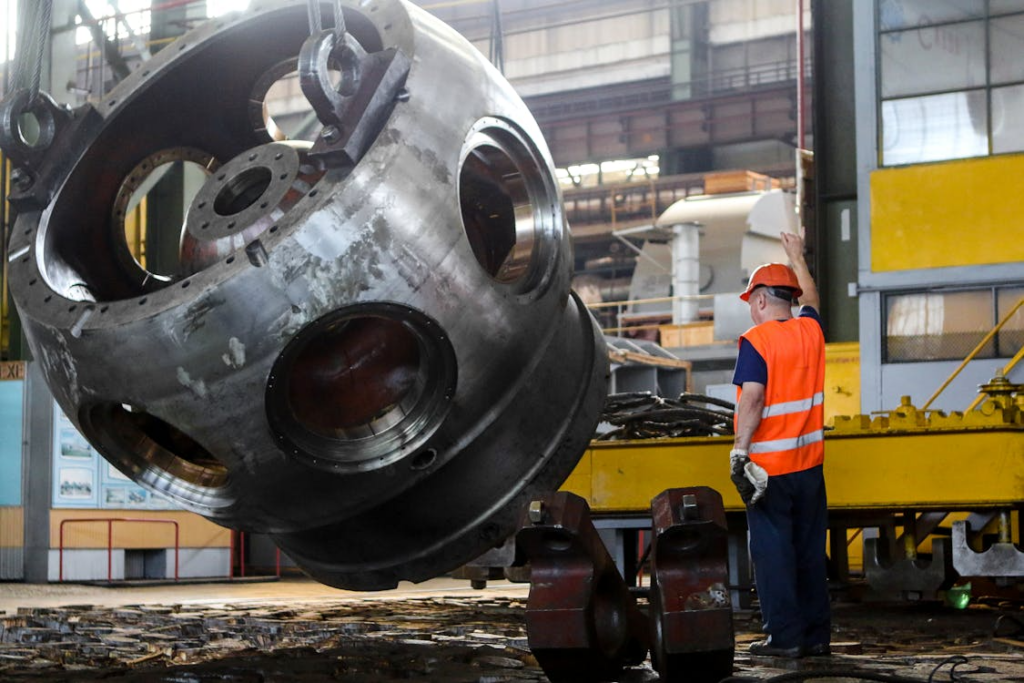
Lean management focuses on eliminating waste, and AI provides the precision necessary to find where that waste is hiding.
A. Eliminating Overproduction through Demand Forecasting
AI models analyze historical sales data and market trends to predict exactly how much of a product should be manufactured. This prevents the buildup of excess inventory, which is one of the most significant forms of waste in traditional manufacturing.
B. Reducing Waiting Times with Real-Time Scheduling
In a lean environment, every second of idle time for a machine or an employee is a lost opportunity. AI-driven scheduling tools can rearrange production queues in milliseconds to account for unexpected delays or priority orders.
C. Optimizing Transport and Motion via Computer Vision
Computer vision systems can monitor the movement of goods and workers within a warehouse to identify unnecessary steps. By redesigning the floor layout based on AI insights, companies can significantly reduce the physical distance traveled by products.
Implementing Predictive Maintenance for Zero Downtime
Unplanned equipment failure is the enemy of lean operations, and predictive AI is the ultimate solution to this problem.
A. Acoustic and Thermal Sensor Integration
AI agents monitor the “health” of machinery by listening to vibrations and measuring heat levels. These sensors catch tiny deviations that signal an impending failure long before the machine actually breaks down.
B. Dynamic Service Interval Scheduling
Instead of fixing machines on a fixed calendar basis, AI determines the optimal time for maintenance based on actual usage. This prevents “over-servicing” functional equipment, which is another form of lean waste.
C. Automated Spare Parts Procurement
When the AI detects that a component is nearing the end of its life, it can automatically place an order for a replacement part. This ensures the part arrives exactly when it is needed, minimizing inventory costs and downtime.
Enhancing Quality Control through Intelligent Vision
Traditional quality checks are often slow and prone to human error, but AI offers a “six-sigma” level of precision.
A. Automated Defect Detection Systems
High-speed cameras paired with neural networks can inspect thousands of parts per minute with 99.9% accuracy. This prevents defective products from moving further down the line, reducing the cost of scrap and rework.
B. Root Cause Analysis via Pattern Recognition
When a defect is found, the AI can trace it back to a specific batch of raw materials or a specific machine setting. This allows the engineering team to fix the underlying problem immediately, rather than just treating the symptom.
C. Closed-Loop Feedback for Machine Tuning
Advanced AI frameworks can automatically adjust the settings of a 3D printer or a CNC machine based on real-time quality data. This “self-healing” production loop ensures that every piece meets the exact design specifications.
Strategic Data Governance for Lean Environments
For AI to drive lean operations, the data it consumes must be clean, structured, and accessible across the entire firm.
A. Breaking Down Functional Data Silos
Lean operations require a single source of truth that connects sales, production, and logistics. Integrating these departments into a unified data lake allows the AI to see how a change in one area affects the others.
B. Standardizing IoT Data Protocols
A factory often has machines from many different manufacturers, all speaking different “digital languages.” Strategic integration involves creating a translation layer so the AI can understand data from every device on the floor.
C. Prioritizing Data Privacy and Security
As more devices are connected to the network, the risk of a cyberattack increases. A lean AI framework must include robust encryption and access controls to protect sensitive intellectual property and operational data.
Lean Human Resource Management and AI Augmentation
The human element remains the most important part of the lean philosophy, and AI is here to make workers more effective.
A. Intelligent Talent Allocation Strategies
AI tools analyze the skill sets of employees to ensure they are assigned to the tasks where they can provide the most value. This prevents the “waste of human potential” by moving people away from repetitive data entry toward creative problem-solving.
B. AR-Guided Training and Support
Augmented Reality (AR) headsets powered by AI can provide real-time instructions to technicians as they perform complex repairs. This reduces the time needed for training and ensures that even junior staff can perform at an expert level.
C. Workforce Sentiment and Burnout Analysis
Predictive tools can monitor employee engagement levels to identify signs of burnout before they lead to turnover. Keeping the team healthy and motivated is a core part of maintaining a lean, high-performance culture.
Supply Chain Synchronization and Just-in-Time (JIT) 2.0
AI is evolving the “Just-in-Time” model by adding a layer of predictive intelligence to global logistics.
A. Real-Time Global Logistics Visibility
AI platforms track weather, political events, and port congestion to predict delays in the supply chain. This allows a lean company to pivot to an alternative supplier before a shortage ever occurs.
B. Automated Supplier Performance Benchmarking
The system constantly evaluates the speed, quality, and cost of every vendor in the network. This data-driven approach allows procurement teams to negotiate better terms or find more reliable partners automatically.
C. Hyper-Localized Distribution Hubs
AI analyzes localized demand patterns to determine where small, satellite warehouses should be located. This “micro-fulfillment” strategy brings products closer to the customer, reducing shipping waste and delivery times.
Energy Efficiency and Sustainable Lean Operations
Waste is not just about time and materials; it is also about energy consumption and environmental impact.
A. AI-Driven Smart Grid Management
By monitoring energy prices and factory demand, AI can shift high-power tasks to times when electricity is cheapest and cleanest. This reduces both the carbon footprint and the operational costs of the facility.
B. Optimizing Raw Material Yields
Generative design tools can create product blueprints that use the minimum amount of material without sacrificing strength. This “dematerialization” is the ultimate expression of lean principles in the design phase.
C. Waste Stream Monetization Analysis
AI can identify opportunities to recycle or sell production byproducts to other industries. Turning a waste stream into a revenue stream is a major win for both the environment and the bottom line.
Financial Lean Management through AI Accounting
The administrative back office is often the most overlooked area for lean improvements.
A. Automated Invoice and Expense Processing
AI agents can read and verify thousands of invoices in seconds, flagging only the suspicious ones for human review. This eliminates the “bureaucratic waste” associated with manual accounting cycles.
B. Dynamic Budget Allocation Systems
Rather than fixed annual budgets, AI allows for “rolling” budgets that shift capital to where it is needed most in real-time. This ensures that the company’s money is always working toward its most profitable goals.
C. Real-Time Profitability Per Unit Analysis
AI can calculate the exact cost and profit margin of every single item produced, accounting for fluctuating material and energy costs. This level of detail allows managers to make instant decisions about pricing or product discontinuation.
Building a Culture of Continuous AI Innovation
Lean is not a one-time project, but a mindset of continuous improvement that must be supported by the technology stack.
A. Democratizing AI Tools for Front-Line Staff
“Low-code” platforms allow factory workers and office managers to build their own simple AI agents to solve local problems. Empowering the people closest to the work is the heart of the Kaizen (continuous improvement) philosophy.
B. Establishing an Innovation Sandbox
A scalable framework includes a safe environment for testing new AI ideas without risking the main production line. This encourages a culture of experimentation where employees feel safe to try new ways of reducing waste.
C. Measuring the “Lean AI” Return on Investment
Leadership must track specific KPIs, such as “waste reduced” or “lead time shortened,” to justify the investment in AI. Clear metrics ensure that the technology is actually delivering on its promise of a leaner operation.
The Future of Autonomous Lean Enterprises
Eventually, the integration of AI will lead to factories and offices that can optimize themselves without any human intervention.
A. Self-Configuring Production Lines
In the future, a factory will be able to rearrange its own robots and conveyor belts to switch from making one product to another. This level of flexibility will make “mass customization” a reality for the average consumer.
B. Swarm Intelligence in Warehouse Logistics
Fleets of small, autonomous robots will use swarm algorithms to move goods with the efficiency of a biological organism. This will eliminate almost all the “motion waste” currently found in traditional fulfillment centers.
C. Quantum AI for Complex Global Optimization
As quantum computing matures, it will solve the “traveling salesperson” problem on a global scale. This will allow for a perfectly synchronized world economy with near-zero logistics waste.
Conclusion
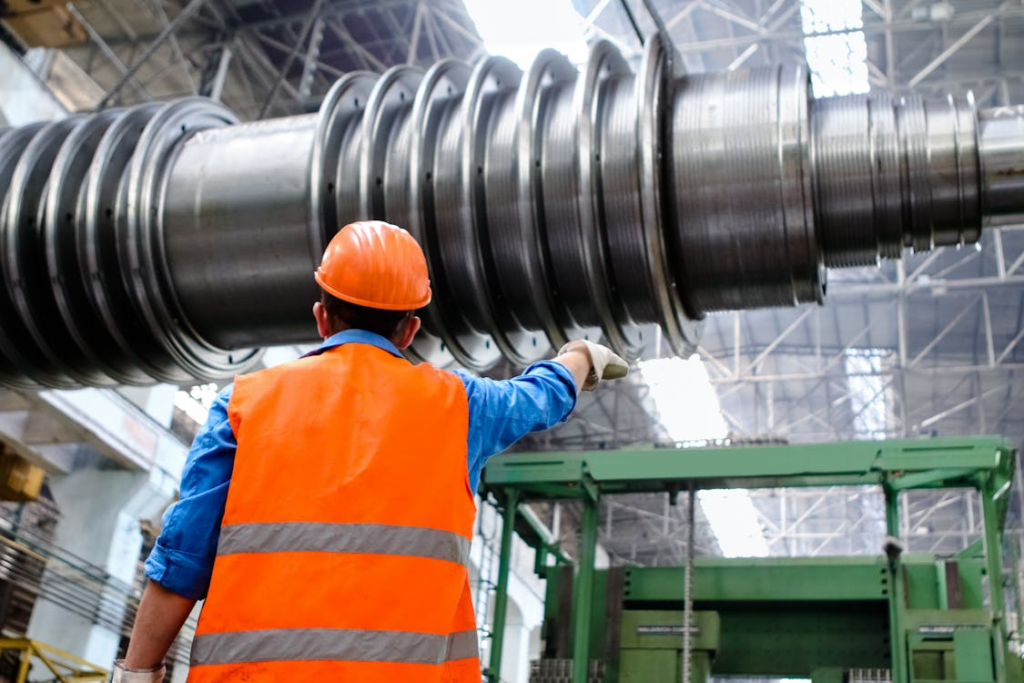
Strategic AI integration for lean operations is the only path forward for businesses in a resource-constrained world. The marriage of human-centric lean principles and machine-centric AI creates a powerful engine for sustainable growth. Waste elimination is no longer a manual process of observation but a data-driven exercise in predictive analytics. Predictive maintenance ensures that the most expensive assets in a company are always operating at peak efficiency. Quality control has evolved from a final inspection step to a continuous, self-healing process within the production line.
Digital transformation must start with clean data governance to provide the AI with a reliable source of truth. The human workforce is augmented by AI to focus on high-level strategy and innovative problem-solving. Just-in-Time logistics are becoming smarter and more resilient through global supply chain synchronization. Sustainability is naturally achieved when a company focuses on reducing energy and material waste through technology. Financial lean management provides the liquidity and flexibility needed to survive sudden market fluctuations. Continuous improvement is accelerated when front-line employees are given the tools to build their own AI solutions.
Scaling these initiatives across a global organization requires a modular and secure cloud-native infrastructure. The ultimate goal of this integration is the creation of an autonomous enterprise that can optimize itself in real-time. Innovation should be seen as a permanent state of the organization rather than a series of isolated projects. The companies that master lean AI today will be the leaders of the industrial landscape for the next several decades. Technology is the tool, but the lean philosophy of value creation remains the guiding light for every successful integration. Mastering the balance between digital power and operational simplicity is the hallmark of the modern intelligent enterprise.