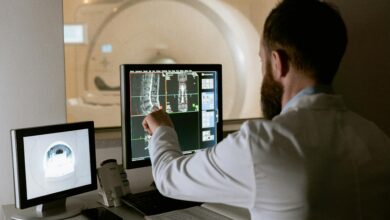
The world of healthcare is moving away from a one-size-fits-all approach toward a future defined by the unique code within our cells. Genomic sequencing has emerged as the most powerful tool in this transition, allowing doctors to look directly at a patient’s DNA to make decisions. This technology is no longer just a project for high-level researchers; it is becoming a standard part of premium clinical care.
By understanding the specific mutations in a person’s genome, we can predict how they will react to certain medications or if they are at risk for specific diseases. This shift toward personalized medicine represents a massive leap in how we define “high-value” healthcare. It is about being proactive rather than reactive, treating the individual instead of the average. As we dive into these genomic tools, we are exploring the very blueprint of human life and how it can be optimized for better health.
The Evolution of Genetic Mapping
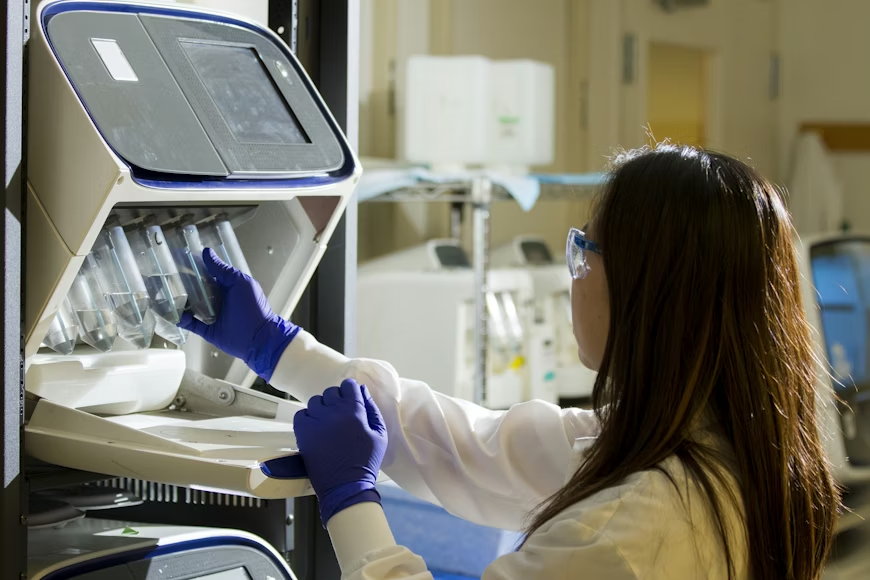
Decades ago, sequencing a single human genome cost millions of dollars and took years to complete. Today, advanced laboratory tools can do the same job in a matter of hours for a fraction of the price. This accessibility has opened the floodgates for personalized medicine across the globe.
Genomic tools allow us to identify the underlying causes of rare and complex diseases. Instead of guessing which treatment might work, clinicians can target the specific genetic driver of an illness. This precision reduces the “trial and error” phase that often frustrates patients and doctors alike.
The software used to analyze these sequences is just as important as the hardware. Bioinformatics platforms process billions of data points to find the variations that actually matter. It is a perfect marriage between high-end biology and massive computing power.
Essential Components of Genomic Delivery
A. Automated DNA Extraction and Library Preparation Tools.
B. Bioinformatics Pipelines for Accurate Variant Calling.
C. Clinical Decision Support Systems for Oncologists.
D. High-Throughput Next-Generation Sequencing (NGS) Platforms.
E. Pharmacogenomics Databases for Medication Optimization.
F. Secure Cloud Storage for Massive Genomic Datasets.
G. User-Friendly Genomic Reports for Patient Education.
Transforming Oncology with Genetic Data
Cancer treatment has seen the most dramatic improvements thanks to genomic sequencing tools. Every tumor has its own genetic signature that differs from the patient’s healthy cells. By sequencing the tumor, doctors can find “druggable” targets that are specific to that cancer. This means a patient might receive a targeted therapy that has fewer side effects than traditional chemotherapy.
These high-value tools allow for “liquid biopsies,” which detect cancer DNA circulating in the blood. It is a non-invasive way to monitor if a treatment is working or if the cancer is returning. The speed of these tools is critical for late-stage patients who don’t have time to waste.
Getting a genomic profile within days can mean the difference between finding a life-saving trial and running out of options. Precision oncology is the gold standard of modern cancer care.
The Power of Pharmacogenomics
Have you ever wondered why some people get side effects from a pill while others feel fine? The answer is usually hidden in their genes, specifically in how their liver processes chemicals. Pharmacogenomics tools help doctors prescribe the right dose of the right drug the first time.
This is especially high-value for mental health medications and blood thinners. Using a simple genetic test, a doctor can see if a patient will be a “fast metabolizer” or a “slow metabolizer.” This prevents dangerous overdoses or ineffective under-dosing. It also saves the healthcare system huge amounts of money by avoiding adverse drug reactions.
Hospitalizations due to bad drug interactions are a major burden that genomic tools can solve. This is the ultimate expression of personalized safety in medicine.
Preventive Health and Risk Assessment
A. Comprehensive Carrier Screening for Family Planning.
B. Early Detection of Hereditary Heart Conditions.
C. Genetic Predisposition Testing for Type 2 Diabetes.
D. Newborn Screening for Treatable Genetic Disorders.
E. Polygenic Risk Scores for Common Complex Diseases.
F. Whole Exome Sequencing for Undiagnosed Rare Diseases.
High-Value Infrastructure for Labs
Setting up a genomic lab requires a significant investment in specialized tools. The sequencing machines themselves are marvels of fluidics and high-resolution imaging. They work by reading the fluorescent signals emitted as new DNA strands are built. Beyond the machines, the lab needs a rigorous quality control system to ensure data accuracy.
Even a tiny error in a genetic sequence could lead to a catastrophic misdiagnosis. High-value tools often include automated robotics to handle samples and reduce human error. Data management is perhaps the biggest “hidden” cost of genomic medicine. A single human genome produces gigabytes of raw data that must be stored and analyzed. Modern labs rely on scalable cloud infrastructure to manage this digital mountain of info.
The Role of Artificial Intelligence in Genomics
AI is the secret sauce that makes genomic data actionable for busy doctors. A human could never look at billions of base pairs and spot a single meaningful mutation. Machine learning algorithms are trained to recognize the patterns of disease-causing variants.
These AI tools can also predict how a protein will fold based on its genetic sequence. This is a game-changer for drug discovery, allowing scientists to design new medicines on a computer. The synergy between AI and genomics is accelerating the pace of medical breakthroughs. In the clinic, AI helps prioritize which genetic findings are most relevant to the patient’s symptoms.
It filters out the “noise” of harmless mutations that everyone has. This makes the final report much easier for a primary care physician to understand.
Ethical Considerations and Data Privacy
With great power comes great responsibility, especially when it comes to DNA. Your genetic code is the most personal piece of information you own. Protecting this data from hackers or unauthorized use is a top priority for genomic tool developers. There are also ethical questions about “incidental findings.” What happens if a test for a heart condition reveals a risk for Alzheimer’s?
High-value platforms must have clear protocols for how this information is shared with patients. Ensuring that genomic medicine is available to everyone is another major ethical hurdle. We must work to include diverse populations in genetic databases to avoid bias in the results. True personalized medicine should be a benefit for all of humanity, not just a few.
Key Innovations in Sequencing Technology
A. Long-Read Sequencing for Complex Structural Variants.
B. Nanopore Technology for Portable, Real-Time Analysis.
C. Single-Cell Sequencing to Study Cellular Heterogeneity.
D. Spatial Transcriptomics to Map Gene Expression in Tissue.
E. Ultra-Rapid Sequencing for Neonatal Intensive Care Units.
The Patient Perspective on Personal Genomics
For many patients, getting a genomic test is a journey of discovery and sometimes anxiety. High-value tools include counseling resources to help people process their results. The goal is to empower patients to take control of their health destiny.
When a person knows they have a high genetic risk for a certain condition, they can change their lifestyle. They might get more frequent screenings or change their diet to mitigate that risk. This transforms the patient from a passive recipient of care into an active participant.
Digital portals now allow patients to carry their genomic data on their smartphones. They can share this info with any specialist they visit, ensuring continuity of care. It is a portable, lifelong health asset that grows in value as we learn more about the genome.
Future Trends in Genomic Tools
We are moving toward a world where “liquid biopsy” becomes a routine part of an annual checkup. Imagine catching a tiny cluster of cancer cells through a blood test years before a tumor forms.
This is the promise of early detection driven by genomic monitoring tools. We are also seeing the rise of “direct-to-consumer” tools that are becoming more clinical in quality.
While early versions were for ancestry, newer tools provide genuine health insights. However, the involvement of a medical professional remains vital for interpreting these results.
In the future, gene editing tools like CRISPR might be used to fix the mutations we find. We are already seeing clinical trials that “correct” the genetic code of patients with blood disorders. The transition from reading the genome to writing it is the next great frontier.
Improving Clinical Workflow with Genomics
A. Automated Integration of Genetic Data into EHRs.
B. Electronic Ordering Systems for Genomic Tests.
C. Interpreted Reports with Actionable Clinical Guidelines.
D. Multi-Disciplinary Tumor Board Collaboration Tools.
E. Patient Consent Management for Genetic Research.
F. Real-Time Notifications for New Relevant Genetic Findings.
Conclusion

The adoption of high-value genomic tools is fundamentally altering the landscape of modern clinical practice. We are leaving the era of generalized medicine and entering a period of extreme biological precision. These tools allow us to decode the individual mysteries hidden within every patient’s unique DNA strands. The ability to predict drug reactions before a pill is swallowed is saving countless lives and resources. Oncology has been revolutionized by our capacity to target the specific genetic drivers of malignant tumors.
As the cost of sequencing continues to drop, these tools will become accessible to every community. Data privacy and ethical management remain the cornerstones of a successful personalized medicine strategy. The integration of artificial intelligence is the only way to manage the massive scale of genomic data. We are moving toward a future where preventive care is dictated by our specific genetic predispositions. Genomic medicine is no longer a dream of the future; it is a reality that is healing people today.