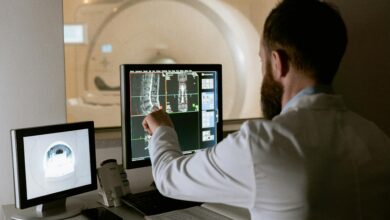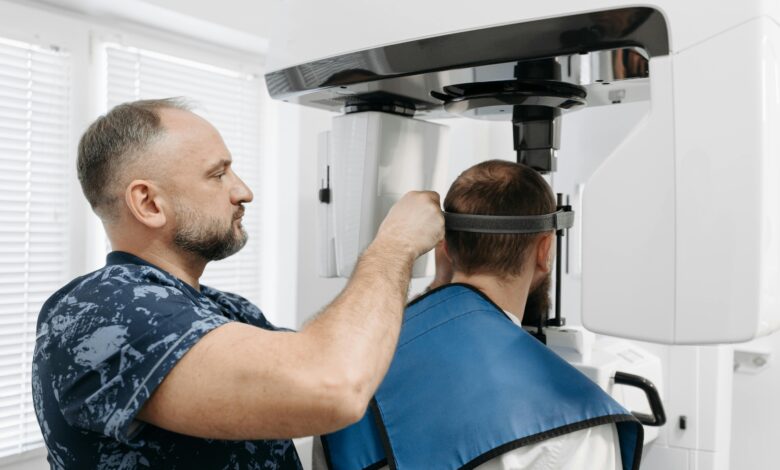
The integration of artificial intelligence into the clinical environment is no longer a futuristic concept but a present-day necessity for high-performing medical institutions. Elite AI-powered clinical decision support software (CDSS) represents the pinnacle of this digital shift, acting as a cognitive partner for healthcare professionals worldwide. These systems analyze vast amounts of patient data, medical literature, and clinical guidelines in seconds to provide evidence-based recommendations at the point of care. By processing complex biological variables that would overwhelm the human mind, this software helps reduce diagnostic errors and improves patient safety significantly.
The primary goal is to empower doctors with actionable insights, allowing them to make faster and more accurate decisions during critical medical moments. As we move toward a more data-driven healthcare landscape, understanding the nuances of these elite tools becomes essential for every modern medical practitioner. This technology is reshaping the very foundation of patient-provider interactions by ensuring that no detail, however small, is overlooked during the diagnostic process.
The Architecture of Intelligent Diagnosis
At its core, elite CDSS is built on a foundation of sophisticated machine learning models and deep neural networks. These systems are trained on millions of clinical cases, allowing them to recognize patterns that might be invisible to even the most seasoned specialist.
The software doesn’t just store data; it understands the context of a patient’s unique medical history and current symptoms. When a physician enters a patient’s information, the AI cross-references it with global medical databases in real-time.
It can suggest potential diagnoses, recommend specific lab tests, or flag dangerous drug interactions before a prescription is even written.
This proactive approach transforms the clinical workflow from a reactive process into a precision-guided operation. The software is designed to integrate seamlessly with Electronic Health Records (EHR), creating a unified digital ecosystem.
This means doctors don’t have to switch between different programs to get the insights they need during a consultation. Efficiency and accuracy are the dual pillars that support the architecture of these advanced medical tools.
Key Capabilities of Advanced Support Tools
A. Automated Analysis of Complex Lab Results.
B. Evidence-Based Treatment Recommendation Engines.
C. Intelligent Alerts for Sepsis and Critical Conditions.
D. Personalized Genomic Data Interpretation.
E. Real-Time Medication Interaction and Allergy Checking.
F. Risk Stratification for Chronic Disease Management.
G. Streamlined Clinical Documentation and Coding Support.
Enhancing Diagnostic Accuracy and Speed
Diagnostic errors remain one of the most significant challenges in modern medicine, often leading to delayed treatments or poor outcomes. AI-powered support systems act as a second pair of expert eyes, providing a safety net for busy clinicians in high-pressure environments.
The software can identify subtle anomalies in imaging or laboratory data that might be missed due to human fatigue. By narrowing down the list of potential differential diagnoses, the AI helps clinicians focus their attention on the most likely causes.
This speed is particularly vital in emergency departments where every second counts toward a patient’s survival. The software can prioritize urgent cases by flagging critical findings automatically in the hospital’s queue.
Furthermore, these tools help standardize care across different departments and even different hospital locations. By following the most current clinical pathways, the AI ensures that every patient receives the highest standard of evidence-based treatment. This consistency is a hallmark of elite medical institutions that prioritize quality and patient safety above all else.
The Role of Big Data in Clinical Wisdom
The power of elite CDSS lies in its ability to harness “Big Data” and turn it into what we call “Clinical Wisdom.” Traditional medical research often takes years to trickle down into daily practice, but AI can bridge this gap instantly.
When a new clinical trial is published, the software can be updated to include those findings in its recommendation engine immediately. This allows doctors to stay at the absolute forefront of medical knowledge without having to read every single journal entry themselves.
The AI acts as a filter, presenting only the most relevant and high-quality evidence for the specific case at hand. It essentially provides a personalized briefing for every patient encounter based on global medical trends.
Moreover, the software can analyze local data to identify trends within a specific hospital or community. If an unusual pattern of infections emerges, the AI can alert the hospital’s leadership to a potential outbreak before it spreads. Data is the lifeblood of modern medicine, and AI is the heart that pumps that information where it is needed most.
Operational Requirements for AI Implementation
A. Comprehensive Training for Clinical and IT Staff.
B. High-Performance Computing Infrastructure and Servers.
C. Interoperability with Existing Hospital Management Systems.
D. Robust Cybersecurity Protocols and Data Encryption.
E. Seamless Data Migration from Legacy Software.
F. Strict Adherence to Medical Privacy Regulations.
Reducing Physician Burnout and Stress
Physician burnout is a growing crisis in the healthcare industry, largely driven by the heavy administrative burden and the fear of making errors.
AI support systems alleviate much of this pressure by automating the most tedious parts of clinical data review. Doctors can spend more time interacting with their patients and less time searching through digital folders for relevant information.
The software also provides a sense of confidence, knowing that a powerful algorithm is double-checking every decision. This psychological safety allows clinicians to focus on the human side of medicine, which technology can never replace.
When the machine handles the data, the human can handle the empathy and the complex nuances of care. By streamlining the documentation process, elite CDSS also helps doctors finish their shifts on time.
Automated coding and note-taking features ensure that medical records are accurate and complete with minimal manual effort. A happier, less stressed medical team ultimately leads to a better experience for the patients they serve.
The Future of Predictive Clinical Analytics
We are moving toward an era of “predictive” rather than just “supportive” clinical software. Future versions of elite CDSS will be able to predict a patient’s decline hours or even days before it actually happens. By monitoring subtle changes in vitals and lab trends, the AI can signal a warning for events like cardiac arrest or respiratory failure.
This proactive intervention could revolutionize how we manage patients in intensive care units and surgical wards. Instead of responding to a crisis, medical teams will be able to prevent the crisis from occurring in the first place.
This shift toward prevention is the ultimate goal of high-value healthcare technology development. We are also seeing the integration of wearable data into these clinical support systems. A doctor could see a patient’s heart rate and activity levels from their smartwatch directly within the clinical dashboard. This holistic view of a patient’s life provides a much deeper understanding of their overall wellness and recovery.
Ethical Considerations in AI Decision Making
A. Avoiding Algorithmic Bias in Diverse Patient Populations.
B. Ensuring Transparency in How AI Reaches Recommendations.
C. Maintaining the “Human-in-the-Loop” for Final Decisions.
D. Managing Patient Consent for Data Usage in AI Training.
E. Protecting Patient Privacy in Shared Digital Networks.
F. Upholding Accountability for Clinical Outcomes and Errors.
Transforming Specialized Medical Fields
While general practice benefits greatly from AI, specialized fields like oncology and radiology are seeing even more profound changes. In oncology, CDSS can analyze the genetic makeup of a tumor to suggest the most effective chemotherapy or immunotherapy.
This level of “precision medicine” ensures that patients get the right treatment for their specific biological profile. In radiology, AI can pre-screen thousands of images to highlight areas that require a closer look by a human specialist.
This dramatically reduces the time it takes to get results for critical scans like MRIs and CTs. The software can even measure the size of a lesion more accurately than a human with a digital ruler.
Cardiology also benefits from AI that can interpret complex EKG patterns with incredible speed. By detecting arrhythmias that are difficult to see with the naked eye, the software helps prevent strokes and heart attacks. Every specialized field is finding unique ways to leverage AI to push the boundaries of what is possible in medicine.
Improving Patient Engagement and Outcomes
When a doctor uses elite CDSS, the patient is often more involved in the decision-making process. The software can generate visual aids and easy-to-understand reports that explain why a certain treatment is being recommended.
This transparency builds trust and encourages patients to stick to their prescribed medical plans. Better decisions naturally lead to better outcomes, fewer complications, and shorter hospital stays.
Patients feel more secure knowing their doctor is backed by the latest global medical intelligence. This high-tech approach doesn’t alienate the patient; it actually brings them closer to the center of their own care.
Post-discharge monitoring is another area where AI support shines, tracking recovery progress through mobile apps. If a patient isn’t recovering as expected, the system can flag them for a follow-up visit immediately. Continuous care, supported by AI, ensures that the healing process doesn’t stop once the patient leaves the building.
Strategic Advantages for Medical Institutions
A. Enhanced Reputation for High-Tech Patient Safety.
B. Improved Compliance with International Care Standards.
C. Increased Efficiency in Hospital Resource Allocation.
D. Lower Costs Associated with Medical Malpractice.
E. More Effective Management of Large-Scale Patient Data.
F. Stronger Foundation for Clinical Research and Trials.
Scaling AI Support Across Global Networks
The beauty of software-based support is its ability to be scaled across entire nations or even global healthcare networks. A small clinic in a remote area can have access to the same “clinical brain” as a top-tier university hospital.
This democratization of medical knowledge is one of the most powerful aspects of the AI revolution. By connecting different hospitals to a shared intelligence network, we can learn from every single patient encounter.
If a new treatment works particularly well in one part of the world, the AI can share that insight globally within hours. This collective learning creates a rising tide that lifts the standard of care for everyone on the planet.
As cloud technology becomes more secure and accessible, the barriers to implementing elite CDSS are falling. We are moving toward a world where every medical decision is informed by the sum total of human medical knowledge. This is not just an upgrade to our current systems; it is a total reimagining of what healthcare can be.
Designing for Intuitive User Experience
A high-powered algorithm is only useful if a doctor can actually use it quickly and easily during a busy shift. Elite CDSS developers focus heavily on User Experience (UX) design to minimize the “clicks” required to find an answer.
The interface should be intuitive, presenting the most important information clearly without cluttering the screen. Voice-activated AI is also becoming more common, allowing doctors to ask questions hands-free while examining a patient.
This natural language processing capability makes the interaction with the software feel more like a conversation. The technology should serve the workflow, not the other way around.
Customizable dashboards allow different types of specialists to see the data that is most relevant to them. A surgeon needs different information than a pediatrician, and a good CDSS reflects those unique needs. Personalization for the provider is just as important as personalization for the patient.
Ensuring Long-Term System Reliability
A. Continuous Monitoring of Algorithm Performance and Accuracy.
B. Frequent Updates to Reflect the Latest Medical Research.
C. Regular Backups and Disaster Recovery Planning.
D. Scalable Architecture to Handle Increasing Data Volumes.
E. Technical Support for Resolving Software Glitches.
F. Validation of AI Findings Against Real-World Clinical Outcomes.
The Economic Impact of Intelligent Care
While the initial investment in elite CDSS can be significant, the long-term economic benefits are undeniable. By reducing diagnostic errors and unnecessary tests, hospitals can save millions of dollars every year.
Preventing a single adverse drug event can offset the cost of the software for an entire month. Insurance providers are also seeing the value of AI support, often offering lower premiums to hospitals that use these tools.
Improved efficiency means that hospitals can treat more patients without increasing their staff size. It is a sustainable model for healthcare that balances high-quality care with financial responsibility.
Furthermore, AI-driven preventative care reduces the overall burden on the public health system. By keeping people healthy and out of the hospital, we save resources for those who need them most. Investing in elite clinical software is an investment in the future stability of the entire healthcare economy.
Empowering the Next Generation of Clinicians
Medical students are now being trained to work alongside AI from the very beginning of their education. Instead of memorizing every rare disease, they are learning how to use AI tools to find and interpret that data.
This shifts the focus of medical education toward critical thinking, empathy, and complex problem-solving. The AI acts as a mentor, providing real-time feedback and suggestions to young doctors as they gain experience.
It helps bridge the gap between textbook knowledge and real-world clinical practice. The clinicians of the future will be “digital natives” who see AI as an indispensable part of their medical toolkit.
This partnership between human and machine will lead to breakthroughs that we can’t even imagine yet. By freeing the human mind from the burden of data storage, we allow it to reach its full creative potential. The future of medicine is bright, and it is powered by the synergy of elite AI and human compassion.
Conclusion

Elite AI-powered clinical decision support systems have become the backbone of modern, high-value medical practices. These platforms provide a level of analytical depth that ensures patient safety is never compromised by human oversight. By integrating directly into existing workflows, the software enhances efficiency without disrupting the provider’s focus. The reduction of diagnostic errors is perhaps the most significant contribution this technology makes to global health. Physicians are finding that these tools actually reduce their daily stress by managing the massive influx of clinical data.
As predictive analytics improve, we will see a shift toward preventing illnesses before they even manifest symptoms. Ethical implementation remains a top priority to ensure that AI remains a fair and transparent partner in care. The economic benefits of intelligent care systems make them a wise investment for any forward-thinking hospital. We are currently standing at the threshold of a new era where technology amplifies the best qualities of human healers. The ultimate success of these systems is measured by the millions of lives saved through better and faster medical decisions.